Your tenant calls you at 9 PM because water is dripping through the kitchen ceiling. Or maybe a storm just took half the shingles off the roof of your rental property. Your first thought after “is everyone okay” is probably “wait, does my insurance even cover this?”
That question catches a lot of new landlords off guard, especially anyone who assumed their old homeowners policy would just carry over once they started renting the place out. It usually doesn’t. So let’s walk through what landlord insurance actually covers, what it doesn’t, and how to avoid finding out the hard way.
Quick Answer
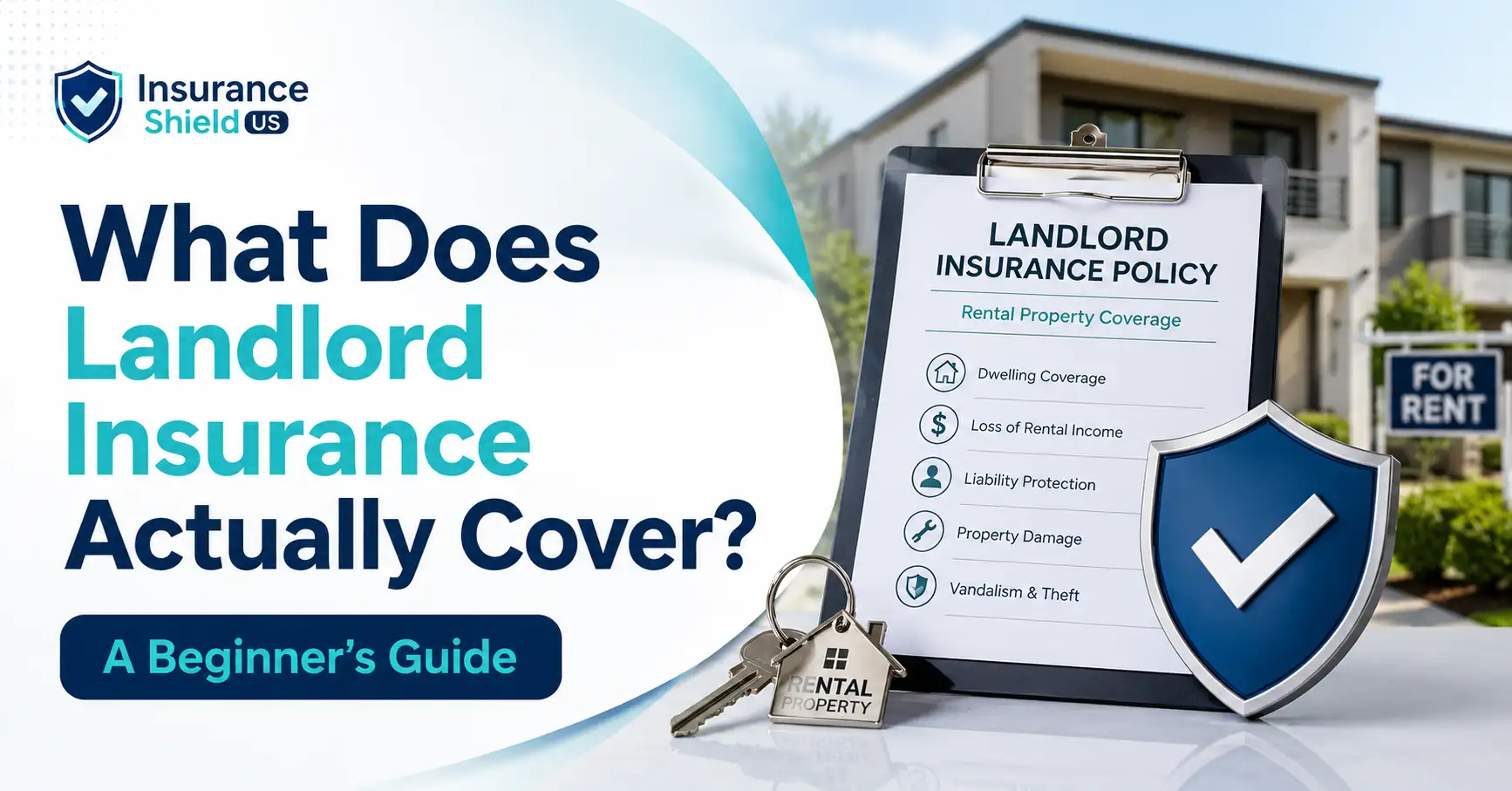
Landlord insurance typically covers the physical structure of your rental property, liability protection if someone gets hurt on the property, and loss of rental income if the home becomes unlivable after a covered event like a fire. It generally does not cover your tenant’s personal belongings, normal wear and tear, or damage caused by long-term neglect. Landlord insurance is a different policy than a standard homeowners policy, and switching from one to the other is a step many first-time landlords accidentally skip.
Why a Regular Homeowners Policy Isn’t Enough Once You Have a Tenant
Here’s the thing most people don’t realize until it’s too late: a standard homeowners insurance policy is priced and written for someone who lives in the home themselves. The moment you start renting it out, the risk profile changes. There’s now someone else’s household using the property, more wear from daily use, and a higher chance of liability claims from a non-owner.
Insurance companies know this, which is why many homeowners policies contain language that limits or excludes coverage once a property becomes a rental. If you file a claim after converting your home to a rental without updating the policy, there’s a real chance the insurer denies it entirely, not because the damage wasn’t real, but because the policy type didn’t match how the property was actually being used.
This is a common blind spot worth checking with our Coverage Gap Checker, especially if you converted a former primary residence into a rental and never formally switched your policy type.
What Landlord Insurance Typically Covers
Every policy is different, and coverage details vary by state and insurer, but most landlord insurance policies are built around three core areas.
Dwelling coverage protects the physical structure itself, the roof, walls, flooring, built-in appliances, and attached structures like a garage. If a fire, storm, or burst pipe damages the building, this is the part of the policy that typically pays to repair or rebuild it.
Liability coverage protects you if someone is injured on the property and you’re found responsible. Picture a tenant’s visitor slipping on an icy front step that hadn’t been salted, or a delivery driver tripping over a broken porch board. Liability coverage generally helps pay for medical bills, legal fees, or a settlement if you’re sued.
Loss of rental income coverage kicks in if the property becomes unlivable after a covered event, like a fire that takes the home offline for repairs. This portion typically reimburses you for the rent you’re losing while the property can’t be occupied, up to the policy’s limits and time period.
Some policies also include optional coverage for landlord-owned appliances or furnishings if you rent the unit furnished or partly furnished, so it’s worth asking your agent specifically whether that’s included or needs to be added separately.
What Landlord Insurance Does Not Cover
This is the part that catches people off guard, so it deserves its own section.
Your tenant’s personal belongings are not covered. If a pipe bursts and ruins your tenant’s furniture, electronics, or clothing, that’s typically their responsibility to insure through their own renters insurance, not yours. This is exactly why many landlords require proof of renters insurance as a lease condition.
Normal wear and tear is excluded. Carpet that’s worn down after years of foot traffic, an aging water heater that finally fails on its own, or paint that’s faded over time generally isn’t a covered loss. Insurance is built around sudden, accidental damage, not gradual deterioration.
Neglect and deferred maintenance are excluded. If a roof leak was ignored for two years and eventually caused major water damage, an insurer may argue the loss was caused by lack of maintenance rather than a sudden covered event, and deny the claim on those grounds.
Vacancy beyond a certain number of days can limit coverage. Many landlord policies reduce or suspend certain protections if the property sits vacant past 30 or 60 days, since an empty property is considered higher risk for things like vandalism or undetected leaks. If you’re between tenants for an extended stretch, it’s worth calling your insurer to ask whether a vacancy clause applies.
If you want a general sense of why claims like these get denied across insurance types, our article on Why Do Insurance Claims Get Denied? 7 Common Reasons covers the patterns insurers look for, and our Claim Denial Risk Checker can help you spot similar risk factors in your own situation before you ever need to file.
A Realistic Scenario: Storm Damage on a Rental Property
Picture a landlord who owns a single-family rental. A summer storm knocks a tree branch through the roof, causing water damage to two bedrooms below. The tenant has to move out temporarily while repairs happen.
Under a typical landlord policy, dwelling coverage would generally help pay for the roof and interior repairs, and loss of rental income coverage would generally help replace the rent the landlord isn’t collecting while the unit is unlivable. What it would not cover is the tenant’s mattress, clothing, and electronics that got wet, that falls under the tenant’s own renters insurance, if they have it.
This is also where recoverable depreciation can come into play on larger claims. If you’ve never dealt with this term before, our explainer on What Is Recoverable Depreciation on an Insurance Claim? breaks down why the first check from your insurer is often smaller than the full estimate, and what you may be able to recover later.
Step-by-Step: How to Make Sure Your Rental Property Is Actually Covered
- Confirm you’re on a landlord policy, not a leftover homeowners policy. If you converted a former primary residence into a rental, call your insurer and ask directly whether your policy type changed.
- Ask what your liability limit actually is. $100,000 in liability coverage can sound like a lot until a serious injury claim comes in. Many landlords carry $300,000 to $500,000 or more, depending on the property and location.
- Check whether loss of rental income is included, and for how long. Some policies cap this at a specific number of months. Know that number before you need it.
- Ask about the vacancy clause. If you expect gaps between tenants, find out exactly how many days of vacancy are allowed before coverage changes.
- Require proof of renters insurance from tenants. This protects their belongings and can also reduce disputes over who’s responsible for what after a claim.
- Keep documentation of the property’s condition and maintenance history. Photos, repair receipts, and inspection records help support a claim later and can push back against a “neglect” denial. Our Insurance Document Checklist is a simple way to keep this organized before you ever need it.
- Review the policy every year, not just when a tenant changes. Rents change, repair costs change, and coverage limits that felt adequate three years ago may not reflect current rebuild costs today. Our Insurance Renewal Checklist walks through what to compare before you renew.
Common Mistakes to Avoid
Never switching from a homeowners policy after renting the property out. This is the single most expensive mistake on this list, because it can result in a full claim denial, not just a partial one.
Assuming the tenant’s belongings are automatically covered. They’re not, and this misunderstanding often only surfaces after a loss, when it’s too late to fix.
Underestimating the liability limit needed. A lawsuit following a serious injury can easily exceed a low liability limit, leaving the landlord personally exposed for the difference.
Letting the property sit vacant without telling the insurer. If a vacancy clause applies and the insurer wasn’t notified, a claim during that vacant period may be reduced or denied.
Ignoring small maintenance issues until they become large claims. A slow leak that gets patched instead of properly repaired can turn into a mold or structural issue that an insurer treats as a maintenance failure rather than a covered loss.
Only comparing premium price without comparing coverage limits and exclusions. A cheaper landlord policy with a lower liability limit or a stricter vacancy clause can end up costing far more at claim time. Our Deductible vs Premium Calculator can help you see the fuller cost picture before choosing based on price alone.
The Bottom Line
Landlord insurance is built to protect the property itself, your liability as the owner, and your rental income if the home becomes unlivable, but it stops well short of covering your tenant’s belongings, routine wear, or damage tied to neglect. The gap between what people assume is covered and what’s actually written into the policy is where most painful surprises happen.
The best time to find out exactly what your policy does and doesn’t cover isn’t after a claim, it’s now, with your actual policy documents open in front of you and a specific list of questions for your agent.
Not sure if your current rental property coverage has gaps? Run it through our free Coverage Gap Checker, no signup required.
This article is for general educational purposes only and is not insurance, legal, or financial advice. Landlord insurance policies, coverage limits, and exclusions vary by insurer and by state. Before making any coverage decisions, please review your actual policy documents and consult a licensed insurance agent or professional who can evaluate your specific property and situation.

I’m Muhammad Waqas, the creator of Insurance Shield US. I write simple insurance guides, checklists, and tool-based content to help everyday readers understand coverage gaps, claim risks, policy documents, and renewal mistakes. My content is for educational purposes only and does not replace advice from a licensed insurance professional.